Foot Drop and Hip Replacement
July 17, 2026
 Free Consultation
(610) 667-7511
Free Consultation
(610) 667-7511

 Free Consultation
(610) 667-7511
Free Consultation
(610) 667-7511
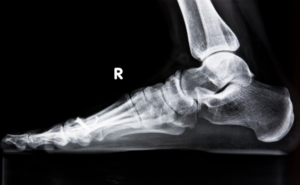
Foot drop after hip replacement is not always medical malpractice. It is a known complication that can happen even when a surgeon and hospital team provide appropriate care. But in some cases, it may be malpractice if a preventable medical error caused the nerve injury or if the medical team failed to respond appropriately after symptoms appeared.
That is the key issue. Foot drop by itself does not prove negligence. The question is whether a doctor, nurse, or hospital failed to meet the standard of care and whether that failure likely caused the nerve injury. In Pennsylvania, that usually requires a careful review of the medical records and support from a medical professional.
Foot drop is a condition that makes it difficult to lift the front part of the foot. A person with foot drop may drag their toes, trip more often, or lift the knee higher than usual to clear the foot while walking.
After hip replacement, foot drop often points to a nerve injury involving the sciatic nerve or the peroneal branch. These nerves help control movement and sensation in the lower leg and foot. If one of them is injured, the patient may develop weakness, numbness, tingling, or an unstable gait.
No. Foot drop after hip replacement is not automatically a sign of negligence. Nerve injuries can happen even when the procedure is performed with appropriate care. Hip replacement is a major surgery, and nerve damage is a recognized risk.
However, foot drop after hip replacement may support a medical malpractice claim if the evidence suggests the injury was caused by an avoidable surgical error, excessive tension on the nerve, hardware-related compression, failure to recognize a postoperative hematoma, or a delayed response to new weakness, numbness, or severe pain after surgery.
In many cases, foot drop after hip replacement is caused by nerve injury. That injury can happen in different ways.
During hip replacement, the leg is moved and manipulated so the surgeon can access the joint and place the implant. In some cases, that movement can place stress on the sciatic nerve or one of its branches.
After surgery, swelling or a buildup of blood near the surgical site can place pressure on nearby nerves. This can lead to weakness, pain, numbness, or trouble moving the foot.
In some cases, a screw, implant, or other hardware problem may irritate or injure a nearby nerve.
Some patients may face a higher risk of nerve injury because of prior surgery, revision surgery, deformity, anatomy, or other medical conditions. But a higher-risk procedure does not excuse poor care. It just means the case needs close review.

In some cases, yes. Foot drop may improve over time, especially if the nerve was compressed or irritated rather than permanently damaged. Recovery depends on the cause of the injury, how severe it is, and how quickly the problem is identified.
Treatment may include imaging, nerve testing, physical therapy, bracing, or an ankle-foot orthosis to help stabilize walking. Some patients regain strength over time. Others continue to have weakness, gait problems, or long-term limits in daily life.
Early evaluation matters. Prompt medical attention may help identify whether the problem is temporary, whether swelling, bleeding, or hardware-related compression is involved, whether urgent treatment is needed, and what the patient’s recovery may look like.
These cases usually turn on the medical records and the timeline of events. A legal team may review:
That review helps answer a straightforward but important question: was this a known complication that occurred despite appropriate care, or does the record suggest that a preventable mistake likely caused the problem?
In Pennsylvania, medical malpractice claims generally require a certificate of merit. That means a licensed medical professional must support the claim and state that there is a reasonable basis to believe the care fell outside acceptable standards and caused harm.
The answer depends on the case, but several types of evidence are often important.

The records may show when the weakness began, whether symptoms were documented, and whether the providers responded appropriately.
Imaging may help identify swelling, hardware issues, or other structural causes of nerve compression or injury.
These cases are medically complex. Outside medical review is often needed to explain what should have happened and whether the care may have fallen short.
Some nerve injuries improve with time. Others leave lasting weakness, gait problems, bracing needs, or functional limitations. The severity and duration of the symptoms may affect both the medical and legal analysis.

Foot drop after hip replacement should generally be evaluated as soon as it is noticed, especially when it appears suddenly or is accompanied by severe pain, numbness, or increasing weakness.
Early evaluation may help identify whether the cause is temporary swelling, a compressive hematoma, hardware-related irritation, or another problem that needs prompt attention.
From a legal perspective, timing can matter too. The records may show when symptoms began, when they were reported, and how quickly the medical team responded.
Foot drop after hip replacement does not automatically mean malpractice occurred. In some cases, it may be an unfortunate complication of a difficult surgery. But when the injury appears connected to a preventable medical error or a delayed response to clear warning signs, it may be worth having the case reviewed.
If you or a loved one developed foot drop after hip replacement surgery and you are left wondering whether this was a known risk or a sign that something went wrong, Lowenthal & Abrams, P.C. can review the records, examine the timeline, and help you better understand your options. Call (610) 667-7511 for a free consultation.
LOWENTHAL AND ABRAMS, P.C.




















Contact us for a FREE consultation. No fee unless compensated.