Bad Tracheostomy Leads to $2.8 Million
August 25, 2015
 Free Consultation
(610) 667-7511
Free Consultation
(610) 667-7511

 Free Consultation
(610) 667-7511
Free Consultation
(610) 667-7511
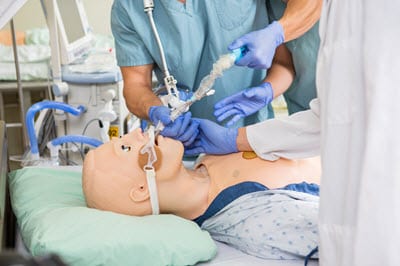
If an unnecessary procedure is performed and it harms the patient, it might be medical malpractice for which the doctor who misdiagnosed the patient can be held liable.
During treatment for a serious car crash, a woman was given a tracheostomy at a Delaware County Medical Center. A tracheostomy is an incision made into the windpipe to help someone breath when she has a blockage. Unfortunately, in this case, the incision was too high and the victim is now unable to breathe on her own. She will require a tracheostomy tube for the rest of her life. Also raised in the case was the question of whether the procedure was necessary at all. If the procedure was unnecessary, this increases the tragedy of the situation for the poor injured woman.
The Delaware County jury found that medical malpractice caused the harm and that the plaintiff should receive $2.78 million. This included $1.6 million for lost wages and pain and suffering, as well as $1.2 million for future medical care.Unfortunately, this victim will require substantial medical care for the rest of her life due to the negligence of the hospital and its doctors.
Whenever surgery is necessary, there are risks. If the bad result the patient experiences is a risk of the surgery and the surgery was performed with the correct level of care, the doctor will not be liable. But, if the actions by the medical team violated the standard of care, then the hospital where the surgery is performed and the doctor that performed it can be found financially liable for the harm caused to the patient.
There are a number of complications that can come with a tracheostomy. According to Johns Hopkins, some of the risks that can result immediately after surgery include:
In addition, there are complications that can show later on. These include:
One of the issues argued in this case was whether the tracheostomy was necessary. Even if a procedure is performed correctly, if it was unnecessary and the patient is seriously injured, the misdiagnosis that lead to the procedure can be medical malpractice. The doctor who misdiagnosed the patient can potentially be held liable to a patient if serious harm is done to her as a result of an unnecessary treatment.
An extreme example of unnecessary treatment involves a Michigan cancer doctor who gave debilitating cancer medication to individuals who did not have cancer. In the cancer case, the doctor intentionally misdiagnosed his patients so he could benefit financially. He is not only civilly liable to his patients, but criminally liable as well.
Of course, no one in the tracheostomy case intended to harm the patient. It is very rare for a doctor or medical team to intend to harm someone. In the average unnecessary treatment case, the medical providers failed to order the correct tests, read the results properly or communicate with one another appropriately.
LOWENTHAL AND ABRAMS, P.C.

















Contact us for a FREE consultation. No fee unless compensated.