Ignored Worsening Symptoms: When Delayed Treatment Becomes Malpractice
July 17, 2026
 Free Consultation
(610) 667-7511
Free Consultation
(610) 667-7511

 Free Consultation
(610) 667-7511
Free Consultation
(610) 667-7511

Patients trust doctors, nurses, and hospitals to recognize when something is wrong. That trust becomes especially important when a patient starts to decline after treatment, surgery, or evaluation in an emergency room or hospital. In those moments, timely action can affect not only the course of treatment but the outcome itself.
Sometimes, however, the warning signs are there, and no one responds as they should. A patient may report worsening pain over and over. Vital signs may become unstable. Lab results may point to infection, bleeding, or organ distress. A family may tell staff that the patient is acting differently. In some cases, the patient is even discharged despite obvious signs of decline.
Not every worsening condition is medical malpractice. Some illnesses are difficult to diagnose, and some patients deteriorate even when providers act appropriately. But when clear signs of decline are missed, dismissed, or not addressed in time, delayed treatment may cross the line into negligence. In those situations, families are often left asking not only what went wrong, but whether earlier action could have made a difference.
Ignoring worsening symptoms does not always mean a provider did nothing at all. In many cases, the problem is that the response was delayed, incomplete, or out of step with what the patient’s condition required.
A patient’s deterioration may appear in several ways:
These signs may point to serious problems such as sepsis, internal bleeding, respiratory distress, stroke, medication complications, or cardiac events. A reasonably careful provider is expected to recognize when those developments call for closer monitoring, additional testing, treatment, or a higher level of care.
One of the clearest red flags in delayed-treatment cases is repetition. A patient says the pain is getting worse, then says it again. A family member tells staff the patient is confused, pale, or breathing differently. Hours pass, the plan of care does not change.
For example, a patient recovering from abdominal surgery may repeatedly report worsening pain, swelling, and vomiting. A patient in the emergency room may continue to complain of chest pressure, dizziness, or trouble breathing. A laboring mother may say that something feels wrong while bleeding increases or the baby’s heart tracing changes. Each complaint may not reveal the diagnosis on its own, but together they can form a pattern that calls for reassessment.
When repeated concerns are brushed aside without further evaluation, providers may lose a valuable opportunity to identify a serious complication before it becomes far more dangerous.
In delayed-treatment malpractice cases, one of the most important questions is whether earlier action may have changed the outcome. That does not mean proving the patient would have made a full recovery. Often, the issue is whether earlier care could have reduced the severity of the harm.
Earlier action may have:
That is why the timeline matters so much. A delay of even a few hours may be significant when a patient is losing blood, becoming septic, or suffering a lack of oxygen.
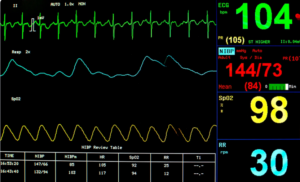
Vital signs and lab results often provide some of the strongest evidence that a patient was getting worse. They can show a downward trend even before the patient suffers a full medical crisis.
Concerning vital-sign changes may include:
Abnormal lab findings may point to:
These results do not exist in isolation. They must be read in context, together with the patient’s symptoms, history, and overall condition. When worsening vitals or abnormal labs are documented but not acted on, that gap may become a central issue in a malpractice claim.
Medical charts often show more than a final diagnosis. They can reveal the pace of the patient’s decline and how providers responded along the way.
A nurse may document a rising fever and falling blood pressure over several hours. Lab work may show infection markers climbing or hemoglobin dropping. The patient may continue to report worsening pain, shortness of breath, or weakness. Yet the record may show no repeat assessment, no imaging, no treatment change, and no escalation of care.
That kind of timeline may suggest there were multiple opportunities to intervene before the patient suffered a more serious injury.
One of the most troubling situations in a delayed-treatment case is discharge despite clear signs that the patient was not stable. A patient may be sent home while still in severe pain, running a fever, showing abnormal vitals, or waiting on important test results. In other cases, the patient’s condition may have changed significantly, but the discharge plan does not reflect that decline.
This can happen when providers focus too narrowly on one explanation and fail to step back and reconsider the whole picture. A patient with concerning lab changes may be sent home before those findings are fully addressed. When that happens, the patient may return hours later in critical condition. Sometimes the return visit leads to intensive care, emergency surgery, permanent injury, or death.
Safe discharge planning generally depends on whether the patient is stable, whether symptoms are improving, whether test results have been addressed, and whether more observation or
treatment is needed. When a patient is discharged despite clear deterioration, that decision may become a major focus of the case.
In many cases, medical records alone are not enough. A professional review may be needed to explain what the warning signs meant, what steps should have been taken, and how the delay may have affected the patient’s outcome.
That review may focus on questions such as:
These are often difficult questions, but they can be central to understanding whether you should speak with a Philadelphia medical malpractice lawyer.
When worsening symptoms are ignored, families are often left trying to piece together a painful timeline. They may remember the repeated complaints, the abnormal readings, the sense that something was clearly wrong, and the feeling that no one acted soon enough. In some cases, a careful review of the records may show that those concerns were not only real but medically significant.
Lowenthal & Abrams, P.C. has been helping injured clients since 1975. Our team includes 17 attorneys, along with a medical doctor and a nurse, giving us added insight into complex medical negligence claims. We serve clients in Pennsylvania, New Jersey, and New York on a contingency fee basis, with no upfront cost and no fee unless the client is compensated.
If you believe worsening symptoms were dismissed, abnormal vitals or lab results were overlooked, or a loved one was discharged despite a clear decline, it may be time to get answers. Call us at (610) 667-7511 for a free consultation.
LOWENTHAL AND ABRAMS, P.C.




















Contact us for a FREE consultation. No fee unless compensated.