How to Prove a Failure to Diagnose Case in Pennsylvania?
January 31, 2026
 Free Consultation
(610) 667-7511
Free Consultation
(610) 667-7511

 Free Consultation
(610) 667-7511
Free Consultation
(610) 667-7511
When a serious condition isn’t caught early, the consequences can be life-changing. In Pennsylvania, failure to diagnose a case lets you seek compensation for harm from a delayed or missed diagnosis. But these medical malpractice claims aren’t easy to win. You have to prove the care fell short of basic standards and that the miss directly caused your harm.
A Failure to diagnose a case is a type of medical malpractice case where a healthcare provider did not diagnose a condition that a reasonably careful provider should have found. This can include:
Just being wrong isn’t enough in Pennsylvania, you must show the mistake caused harm that a proper diagnosis could’ve prevented.
Courts need clear proof on all four fronts that the screw-up likely caused avoidable harm.
Show that a doctor-patient relationship existed. If they examined you, reviewed symptoms, ran tests, or treated you, they owed you competent care.
This is often the most difficult part of a failure to diagnose a case to prove. You must show the provider that they didn’t act like a reasonably careful doctor would have.
Proving this usually involves:
An expert reviews everything and spells out misses like wrong tests skipped, bad result reads, or ignored red flags. Their word helps judges grasp where it went wrong.
Causation means there must be a clear link between the failure to diagnose and the harm you suffered.
This often involves showing:
Example: Cancer missed early spreads untreated and needs brutal chemotherapy instead of simple surgery. Experts testify that catching it sooner would’ve improved things.
Finally, you must show measurable losses caused by the failure to diagnose. These damages can include:
Your lawyer helps gather bills, pay records, and personal accounts to show the full impact the missed diagnosis had on your life.
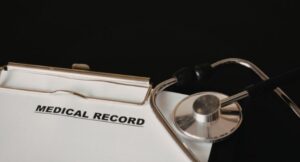
Getting complete records from all providers involved in your care is a must. These include:
Your lawyer will review these to identify where the standard of care was not met.
Experts help explain both the breach and causation. Their review can make or break failure to diagnose cases.
A clear timeline showing when symptoms started, when care was provided, what tests were ordered, and when the correct diagnosis was made helps show the delay and its impact.
Simple logs of symptoms, changes, and conversations with providers add clarity to your case.
Pennsylvania has strict time limits for filing failure to diagnose claims. A Pennsylvania failure to diagnose lawyer can ensure deadlines are met and exceptions are considered.
Records must be requested and organized, and experts must review them in a process that can’t be rushed.
Failure to diagnose claims requires strategic planning. A lawyer helps clarify what to expect and how to proceed.
Most medical malpractice cases in Pennsylvania require a Certificate of Merit, which confirms a qualified medical professional supports the claim. It must be filed with the lawsuit or within 60 days after filing. Missing this deadline can result in dismissal, even if the case has merit. This is one reason many people contact a lawyer early.
Here’s what an experienced failure to diagnose attorney can do:
Your lawyer becomes your guide and advocate in what can be a complicated process.
A failure to diagnose can have serious consequences, but you don’t have to face them alone. Contact Lowenthal & Abrams, P.C. to review what happened, discuss your situation, and get a clear understanding of what steps make sense next. Your health, future, and rights deserve careful attention.
LOWENTHAL AND ABRAMS, P.C.

















Contact us for a FREE consultation. No fee unless compensated.