Common Labor and Delivery Mistakes That Lead to Birth Injuries
April 16, 2026
 Free Consultation
(610) 667-7511
Free Consultation
(610) 667-7511

 Free Consultation
(610) 667-7511
Free Consultation
(610) 667-7511
The day your child is born should be a time of celebration and joy. You place your trust in a medical team of doctors, nurses, and technicians, expecting them to follow established protocols to keep both mother and baby safe. Unfortunately, medical errors during labor and delivery are more common than many realize. When a preventable mistake occurs, the consequences can last a lifetime.
At Lowenthal & Abrams, P.C., we have seen firsthand how a single moment of negligence can change a family’s future. If your child suffered an injury during birth, it is natural to have questions about what went wrong and who is responsible.
Most birth injuries are not the result of a single “accident” but rather a series of preventable oversights.
Here are the most frequent labor and delivery mistakes that lead to long-term harm:
The fetal heart rate monitor is the most important tool in the delivery room. It tells the medical team how the baby is handling the stress of labor.
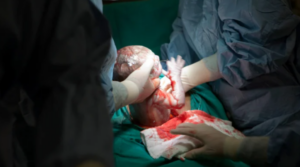
When labor isn’t progressing, or the baby is in distress, an emergency C-section is often the only way to prevent injury.
Sometimes, a doctor uses assistive tools to help guide the baby through the birth canal.
At Lowenthal & Abrams, P.C., our birth injury attorneys frequently help families whose children have suffered from the improper use of delivery instruments.
Drugs like Pitocin are commonly used to speed up labor.
Infections like Group B strep or urinary tract infections in the mother can be passed to the baby during birth.
The umbilical cord is the baby’s lifeline.
Labor and delivery are high-pressure environments. While many complications are natural, medical professionals are trained to anticipate, identify, and react to these challenges. Negligence usually occurs when a healthcare provider fails to uphold the “standard of care”, the level of care that a similarly trained professional would have provided under the same circumstances.
Each year, thousands of babies in the United States are affected by birth injuries. Studies estimate that about 6 to 8 out of every 1,000 births involve some form of birth injury, according to medical data reported by Medscape.
Common reasons for these errors include:
A birth injury is not just a medical diagnosis; it is a life-altering event for the entire family. The “How” of birth injuries involves understanding the long-term trajectory of care.
You may be dealing with challenges like these:
If you believe a mistake was made during your child’s delivery, you should not wait to take action. Pennsylvania law has specific timelines (statutes of limitations) for filing birth injury claims.
If you believe your child was harmed during labor or delivery, it’s important to understand what happened and what you can do next.
At Lowenthal & Abrams, P.C., our team includes a medical doctor and a nurse who are also attorneys. This helps us review medical records with a deeper level of understanding. We can identify where mistakes may have occurred and explain your options in plain terms.
You don’t have to figure this out on your own.
We know how stressful this situation can be. Our team is here to listen, answer your questions, and help you take the next step with confidence. We handle birth injury cases on a contingency fee basis, so you pay nothing unless we recover compensation for you.
Contact us today to schedule your free consultation. Let’s talk about how we can help protect your child’s future.
LOWENTHAL AND ABRAMS, P.C.




















Contact us for a FREE consultation. No fee unless compensated.