Can I File a Medical Malpractice Claim If I Wake Up During Surgery?
May 11, 2026
 Free Consultation
(610) 667-7511
Free Consultation
(610) 667-7511

 Free Consultation
(610) 667-7511
Free Consultation
(610) 667-7511
Waking up during surgery is something most people never expect. You go into the operating room trusting that you will be asleep and free from pain. But for some patients, that is not what happens.
If you woke up during a procedure, you may be wondering if something went wrong and if you have legal options. The answer depends on what caused the experience and whether proper care was provided.
Anesthesia awareness happens when a patient becomes conscious during surgery while under general anesthesia. This can range from brief awareness to fully feeling pain and being unable to move.
Even if the episode is short, the emotional impact can last for years.
According to medical research, anesthesia awareness occurs in about 1 to 2 out of every 1,000 surgeries. While rare, it is a serious event that should not be ignored.
Every experience is different, but many patients describe similar symptoms:
Anesthesia is carefully controlled, but mistakes can still happen. In many cases, awareness during surgery is linked to preventable issues.
Here are the most common causes:
Every patient is different, and anesthesia must be carefully calculated. If a provider miscalculates the dose or fails to review the patient’s medical history, the medication may not be strong enough to keep the patient unconscious.
Think of the anesthesiologist as the pilot of your vital systems. Their only job is to watch the monitors. Your heart rate and blood pressure tell a story. If they start to climb, it’s often a sign that your body is reacting to pain or trying to wake up. When a provider becomes distracted or fails to watch those screens, they miss the “red flags” that you are regaining awareness.
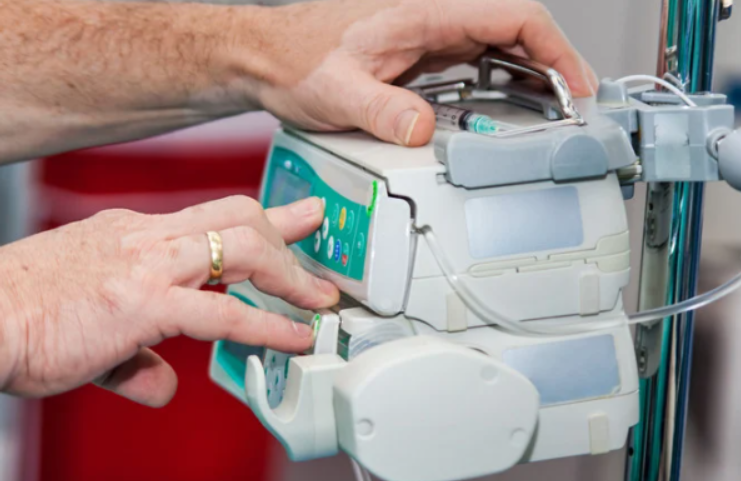
Anesthesia is delivered through complex machines and lines. Just like any other machine, these need to be checked before they are used. A disconnected tube, a faulty valve, or a medication tank that runs dry are not just “accidents”—they are often the result of failing to perform a proper safety check before the surgery starts.
If the surgeon notices a patient moving or reacting, but doesn’t tell the anesthesiologist or if a nurse notices a change in vitals but doesn’t speak up, the patient suffers. Communication breakdowns mean that vital information stays in one person’s head instead of being used to keep the patient safe.
Some people naturally have a higher tolerance for anesthesia, such as those with a history of heavy alcohol use or certain chronic conditions. While these factors make the job harder, they aren’t an excuse. A competent medical team should identify these risks beforehand and adjust their plan to ensure the patient stays safely and comfortably unconscious.
You may be able to file a medical malpractice claim if the medical team failed to provide proper care during your surgery.
To move forward with a case, you must show that the standard of care was not met.
This means proving four key elements:
If these elements can be clearly shown, you may have a strong claim.
Even if you are unsure about the legal details, certain signs may suggest that something went wrong.
The key question is simple: Could this have been prevented?
Common warning signs include:
These situations may point to a breakdown in care. If something about your experience felt off, it is worth having your case reviewed.
If you woke up during surgery, do not ignore it. Taking action early can help protect your health and your rights.
Here are a few important steps:
Acting quickly can help preserve key details and give you a clearer understanding of what happened.
Waking up during surgery can leave you with more questions than answers. You trusted your medical team to keep you safe, and it is normal to want to understand what went wrong.
At Lowenthal & Abrams, P.C., we help patients review their cases and determine whether proper care was provided. Our team works with medical professionals to examine records and identify possible mistakes.
We handle these cases on a contingency fee basis, so you do not pay anything unless we recover compensation for you.
Contact us today for a free consultation. Let’s talk about your experience and what options may be available to you.
LOWENTHAL AND ABRAMS, P.C.


















Contact us for a FREE consultation. No fee unless compensated.