When Is a Patient Fall in the Hospital Medical Malpractice?
July 15, 2026
 Free Consultation
(610) 667-7511
Free Consultation
(610) 667-7511

 Free Consultation
(610) 667-7511
Free Consultation
(610) 667-7511
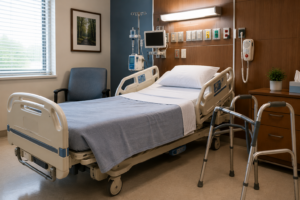
A hospital stay can be stressful for both patients and families. When someone is admitted, they trust the medical team to provide safe, attentive care, especially if the patient is weak, medicated, disoriented, or at risk of falling. That trust can be shaken quickly when a patient suffers a serious fall.
Falls are one of the most common safety events in hospitals. Some happen even when staff take reasonable precautions, but others may point to preventable failures in care. A legal claim may arise when hospital staff do not identify a patient’s fall risk, fail to put safety measures in place, ignore warning signs, or do not respond when help is needed.
According to the Centers for Disease Control and Prevention (CDC), more than 14 million adults aged 65 and older fall each year. Those falls lead to approximately 3 million emergency room visits, 1 million hospitalizations, and more than 38,000 deaths annually. Hospital patients may face added risks because of recent surgery, illness, medication side effects, weakness, confusion, or the unfamiliar hospital environment.
In many of these cases, the central question is not just whether a patient fell. It is whether the facility took reasonable steps to reduce a known risk. Fall-risk assessment, bed alarms, supervision, medication management, and charting often play a major role in answering that question.
A fall-risk assessment is one of the basic tools hospitals use to identify patients who may need extra protection. It helps staff decide whether someone needs help walking, closer monitoring, assistive devices, or changes to the care plan.
A proper assessment should consider several common risk factors, including:
This assessment should not happen only once. A patient’s condition can change quickly after an illness, surgery, medication adjustment, or decline in strength. That means a fall-risk assessment should be reviewed and updated when circumstances change.
For some patients, getting out of bed without help can be dangerous. Bed alarms are meant to alert staff when a patient tries to stand or leave the bed alone so someone can respond before a fall happens. These alarms are often used for patients who have dementia, poor balance, mobility limits, or a recent history of falls. In the right setting, they can be one part of a broader safety plan.
But a bed alarm is not a complete solution by itself. It only helps if it is used consistently and if staff respond when it sounds. If a facility knows a patient needs a bed alarm but leaves it off, ignores it, or fails to respond in time, that may point to a breakdown in care.
Bed alarms work best when they are combined with regular safety checks, proper staffing, and a care plan tailored to the patient’s needs. A facility cannot rely on equipment alone if no one is available to act on the warning.
Supervision is one of the most important parts of fall prevention in a hospital. Many patients need help with routine movements, including getting out of bed, walking to the bathroom, standing from a chair, or transferring to a wheelchair. Without proper assistance, those simple actions can become dangerous.
Poor supervision may involve:
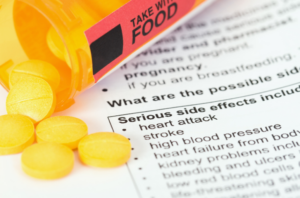
Medication management is another major part of patient safety. Many hospital patients take several medications at once. Some of those drugs may be necessary, but they can also increase the risk of dizziness, confusion, drowsiness, or poor coordination.
Common side effects include:
These side effects can be especially serious for patients who already have balance problems, weakness, or cognitive impairment. A patient with dementia, for example, may become even more disoriented after a medication change.
Hospital staff should monitor patients for side effects, document new symptoms, and report concerns to the appropriate provider. If a patient becomes unsteady, overly sedated, or confused after a medication change and staff fail to act, that failure may contribute to a preventable injury.
Good documentation does more than create a paper trail. It helps ensure every member of a patient’s care team understands that patient’s needs, risks, and safety precautions.
Important records often include:
Missing assessments, incomplete reports, and outdated care plans are common documentation issues that can obscure important details. Accurate charting helps reveal whether the facility recognized known risks and took reasonable steps to prevent harm.
A family may want to take a closer look when a fall happens after repeated warning signs or obvious changes in condition. That may include prior falls, worsening confusion, medication changes, poor communication from staff, or signs that the patient was not being monitored closely enough.
A serious injury after an unwitnessed fall can also raise concerns, especially if the family gets incomplete answers about what happened or finds gaps in the records.
A fall does not automatically mean the facility was negligent. But when a patient had known risk factors and basic safety steps were not followed, the family may have reason to ask whether the injury could have been prevented.
If your loved one was injured in a hospital fall, contact Lowenthal & Abrams for a free consultation. Our attorneys can review the facts, explain whether negligence may have played a role, and discuss your legal options.
LOWENTHAL AND ABRAMS, P.C.



















Contact us for a FREE consultation. No fee unless compensated.