What to Do If Your Doctor Misdiagnosed You? Step-By-Step Guide
December 30, 2025
 Free Consultation
(610) 667-7511
Free Consultation
(610) 667-7511

 Free Consultation
(610) 667-7511
Free Consultation
(610) 667-7511
Realizing you may have been misdiagnosed can be scary and frustrating. You might still feel sick, your symptoms may be getting worse, or you may have learned later that the original diagnosis was wrong. The good news is there are clear steps you can take to protect your health and, if needed, protect your legal rights too.
Below is a step-by-step guide you can follow.
A possible misdiagnosis can affect more than your treatment plan. It can delay care you needed, lead to medication you did not need, and make recovery harder. Acting quickly also helps you lock down details while they’re still fresh, like symptoms, test dates, and what you were told. If you end up needing a case review later, having a clear timeline and complete records can make a big difference.
Before anything else, focus on getting the right medical care. If you believe the original diagnosis is wrong, you may need treatment quickly, especially if symptoms are getting worse.
A good starting point:
A second opinion does two things. It can help you get the right diagnosis and it can also help clarify what may have been missed the first time.
When you see the new provider, ask:
Also, bring a clear list of symptoms, when they started, and what has changed.
Documentation is helpful for medical care and it can matter later if you decide to seek legal guidance. Start a simple notes file and track:
Keep it basic. A clean list timeline is often more helpful than long paragraphs.
Misdiagnosis can happen for many reasons. Sometimes symptoms overlap and a condition is hard to detect early. Other times, something important was missed.
Common causes can include:
This step is not about blaming someone. It’s about understanding whether the situation may have been preventable.
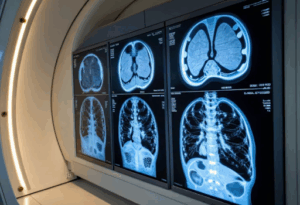
This step can be annoying, but it matters. Request records from every provider or facility involved, not just summaries.
Ask for:
Your records can help your new doctor understand your case and they can help show what was done, what was missed, and when.
Not every wrong diagnosis is malpractice. To prove medical negligence in a misdiagnosis case, the general building blocks usually include:
A common misunderstanding is thinking, “The diagnosis was wrong, so I have a case.” The harder part is showing the diagnosis should have been made sooner or differently, and that the delay or wrong treatment caused real harm.
If your condition got worse, you needed emergency care, you went through unnecessary treatment, or you are facing major bills, it may be time to speak with a wrong diagnosis lawyer.
A lawyer can help by:
Many people wait because they feel unsure. That’s normal. But a quick conversation can help you understand whether the situation is worth investigating.
Here are a few common mistakes that can make things harder:
If you feel pressured, it’s okay to slow down and get guidance first.
If you believe you were harmed by a misdiagnosis and want clear answers, contact Lowenthal & Abrams, P.C. We can review what happened, explain your options, and help you decide what to do next. You deserve straightforward information and a path forward.
LOWENTHAL AND ABRAMS, P.C.

















Contact us for a FREE consultation. No fee unless compensated.